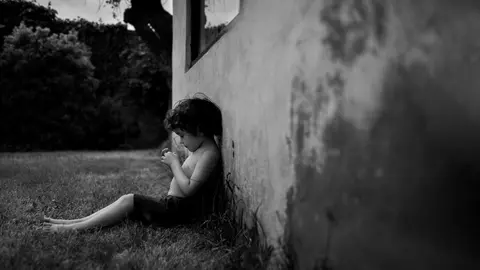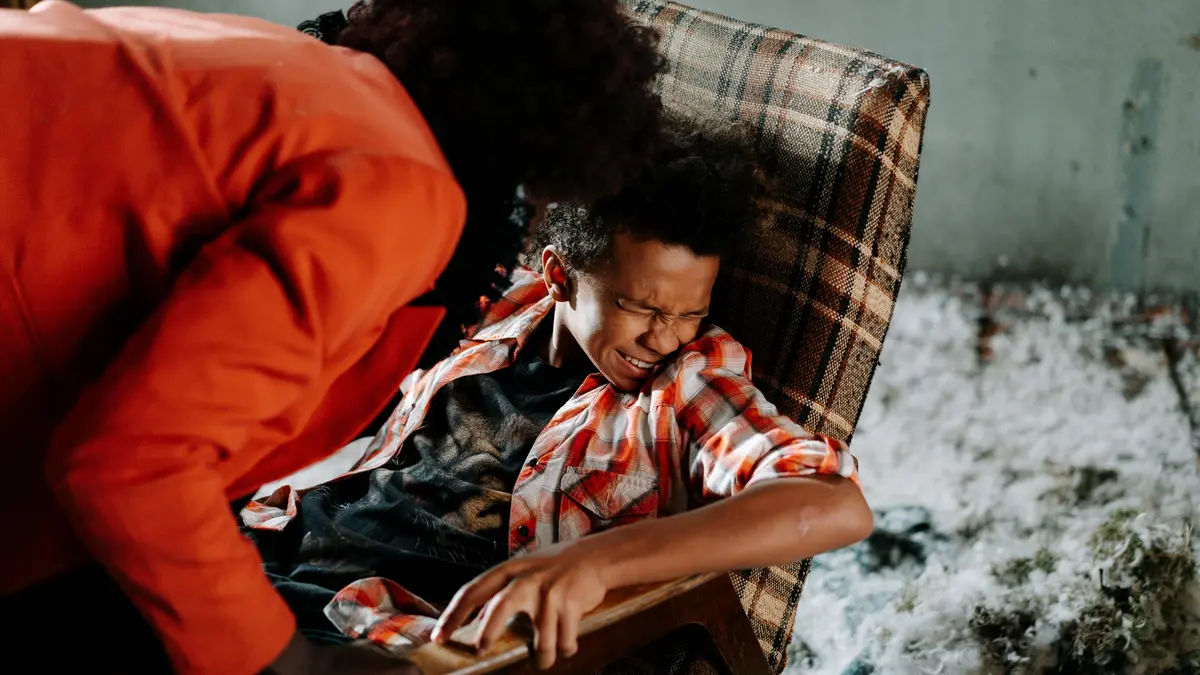
It is often the case that some of the kindest adults that we’ve come across were once children of very angry parents. Their childhood stories stir a great deal of sympathy. They tell us about that time they had to seek shelter in a closet because their parents were yet again having another shouting match, or that time they went to bed sobbing, hungry because things were being smashed across the dinner table, or maybe it were the many family moments ruined from outbursts and unpredictable rage.
These experiences may have shaped them into the tender souls that they are, but the consequences of such a childhood show up in other ways that might be important for anyone close to them to recognize and hopefully prepare for.
Firstly, the children of angry parents tend to be extreme people pleasers. From an early age they had to endure and learn to tame the wildest of monsters. They in turn now know how to humour, compliment, and smile to win over.
Yet behind their politeness lies a problem. They cannot most of the time express their true feelings. They might disagree with what you say, agree to something they don’t want to do, or could be annoyed at something you did weeks ago. The children of angry parents will not mention any of it, and when they do, in most cases it will be too late. What they will do instead is sulk or go into depression, they might withdraw intimately, maybe spend a couple days without talking much, or perhaps take out the anger at an innate object. The kinder thing would be for them to show their frustration towards you and move on. But that wasn’t an option in their upbringing, survival depended on smiling, and now, smiles continue to mask their disappointment and fear.
The children of angry parents also tend to feel great deal of hesitation about expressing any kind of anger. Having grown up in a home filled with constant outbursts, they swore a secret vow to never let anger be a part of their relationships. Peace to them is always preferable, they have zero tolerance for the slightest raised voice. Yet, there is a danger in completely banning anything other than a quiet voice. A reasonable crash out in truth should be a part of a good life. The one off heated moment is a necessary part of the emotional skill set of kind and gentle people.
Lastly, children of angry parents tend be bad at taking responsibility for their actions. At long time ago, the consequences of telling the truth were severe. The reward was risking setting off crisis, leading to tears and pain. So the lesson became denial is safety. ‘It wasn’t me who broke the plate’, or ‘I didn’t eat the cookies’ and later in life ‘It wasn’t me who hurt, you misinterpreted my intentions.’ Their partner might argue or express their frustration and instead of listening and responding appropriately, the grown up child will first and fore most instinctively panic, and then respond quickly with denial. It might not be out of innate meanness but rather a response that they had to over and over react with to survive a crisis from the harshest judges.
Before we can learn to love these children of angry parents, we must first understand the impact anger had on them. Then in a calm sympathetic tone, we can let them know that they don’t have to hide anymore, that we can be trusted to forgive and accept them as they always should have been from the time when they were fragile for who they are, in all their goodness and shortcomings.